Is My Father Suffering?

Is my father suffering?

His brain is deteriorating from undiagnosed neurodegenerative diseases that result in a set of symptoms termed “dementia.”
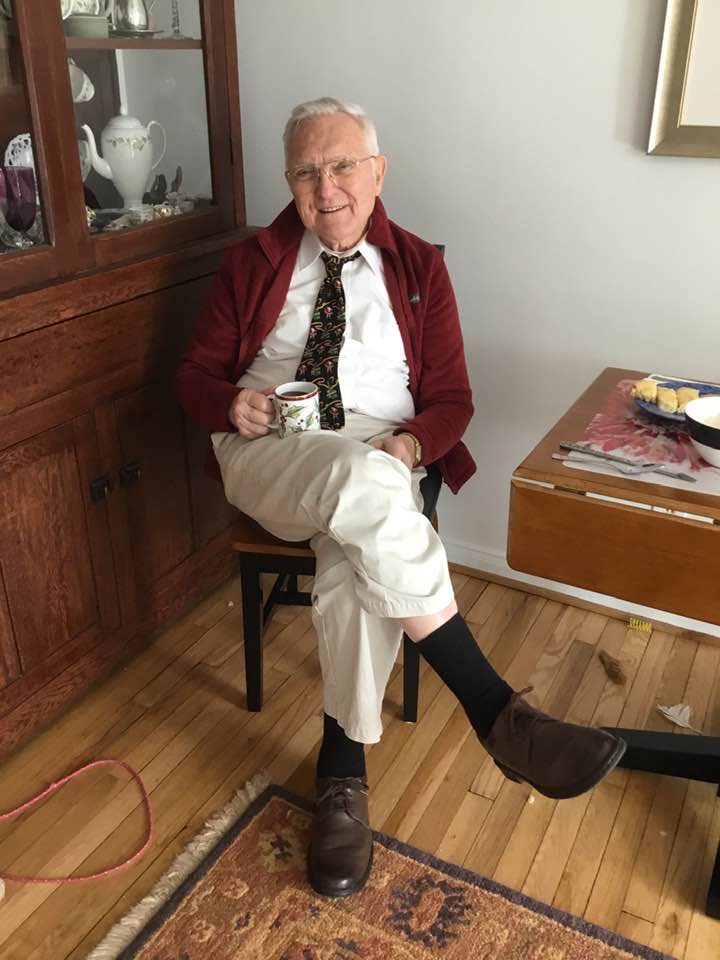
Robert H. Giles, Jr.

He is able to make sounds but not to form words with his mouth. He is unable to focus his eyes. To the best of my ability to read my father after 63 years of knowing and speaking with him, to discern that he has awareness, and knowing his wishes should he develop dementia, my sister and I believe my brave father voluntarily and intentionally stopped eating and drinking 11 days ago.

When my father’s grandparents, parents, and step-mother became elderly, they went to nursing homes, were kept warm and dry, kept pain-free and distress-free with medications, and died as people do. In 2011, my mother died at home under my father’s care, supported by hospice. The stories of their deaths were sad, not harrowing.

Although my advance directive for dementia care is written in first person, its precision results from the saga of torment my father has endured as he has begun to decline. With an advance directive, with a supplemental directive for dementia care, at a highly-rated private  facility that provides compassionate, meticulous care, with a well-respected hospice service, my father has endured immeasurable suffering because he is only allowed to have certain medications, at particular doses, under some conditions, assessed by archaic measures, at specified intervals.

My phone is full of photos of his face in anguish, of him prostrate on the floor, scraping up the particulate matter created in his perception by his individual horror story of dementia-related psychosis.

Have you ever tried to *make* somebody do something? Try to make the current health care system give anti-psychotics, sedatives, anti-anxiety and pain medications, in sufficient doses with sufficient frequency, to its elderly citizens, stripped and helpless, distraught by the side of the road. Holding fast to ill-begotten beliefs that “Medicine is bad” and “Painkillers cause addiction,” the priest and the Levite fold their arms in disapproving righteousness as one of their kindest, most devoted citizens, Robert H. Giles, Jr., Virginia Tech Professor Emeritus, a former member of the U.S. Army Rangers reserves, grimaces in anguish, hand to his head.

Where is the Good Samaritan now, who sees reality and humanity as they are, unfiltered by dogma, and offers mercy?

I’ve heard one too many health care providers declare that my father isn’t aware of what he’s experiencing. Their statements, born of subjective, personal experience, perhaps based on practice wisdom and work experience, are hypotheses. They are not research data.

My father lies in a bed, nearly unable to move. He is shifted by staff members to prevent sores. He is given medication on a prescribed schedule. Today is Thursday. On Saturday, when I put my head on the ribs that have become his chest (What, does he weigh, half of his normal, fit, 200 lbs., maybe 100 lbs. now?), he reached his hand, fingers in a claw, to hold my head. On Monday, I watched and listened in horror as he sat straight up in bed, arms outstretched, crying out in wordless agony for air. We had to wait 15 more minutes for his next dose.

What does science say? Is the end-of-life brain comparable to the brain under anesthesia for surgery, the focus of much research on consciousness? Is the end-of-life brain with dementia, in an unknown pattern of decay and, therefore, of unknown functionality, comparable to a “normal” end-of-life brain? And what are the authoritative definitions of the terms we throw around: unresponsive, unconscious, unaware? How about “pain,” “distress,” “agitation,” “suffering”?

One of the last sentences my father, with great effort, uttered to me was: “I am worried about you.” The last word I made out when my sister and I were together with him was, “Wonderful.”

My father loved life and he loved us. Did my father sit straight up in bed due to an activated brain stem? Or, rather than lie in victimized, resigned silence, did he “not go gentle into that good night,” but protest, burning and raving at this forced closing of his life and love?

The only misstep my father took was trusting society and medical science to take care of him as an old man, as society and medical science took care of his parents, his grandparents, and my mother.

“What would Daddy do?” introduces a new level of belief-based dogma to the conversation. Daddy’s – anybody’s – beliefs, however wise they might be, are not facts and data. But my father explicitly asked me to write anything from his story that I thought would be helpful to others.

In this 2013 Radiolab interview with physicians – including reports on studies of interviews with many physicians – about their own ends of life, what did the vast majority of physicians ask for? No antibiotics, no restorative procedures or meds, no hospitals. Only thing they wanted? Pain meds.

How do I interpret all my observations and my reviews of the research literature?

All I can think to suggest is to take matters into your own hands while you can.

1) Hire an attorney to write the most comprehensive AND specific advance directive possible in your state or nation.

2) Create a supplemental advance directive for dementia care by copying and pasting into a Word or text doc the research-informed version I published on my blog here. Modify the text to suit your own values and situation, and run it by your loved ones, your designated health care agent, and your attorney.

3) Make an appointment with the physician you expect to give you end-of-life care. Take a copy of your advance directive and your supplemental advance directive for dementia care to the appointment, present them, and ask the physician if they will honor your wishes.

In 2002, Perkin and Resnick wrote, “These patients [at the end of life who are gasping for breath] have some level of brain activity and it is at least possible that they can feel pain and suffer. Given this lack of certainty, we believe that the morally most defensible position is to err on the side of relieving possible pain and suffering instead of erring on the side of not relieving pain and suffering. There is a great deal we do not know about human sensation, awareness and, nociception, the noxious sensation of pain as such, without regard to its emotional significance.”

Ask your physician if they will have mercy and “err on the side of relieving possible pain and suffering instead of erring on the side of not relieving pain and suffering.” Watch their faces as you listen to their answers. Granted, your reading of their faces and words isn’t scientific data. I hypothesize your observations, however, will speak volumes.

4) Make an appointment with the assisted living facility at which you expect to receive end-of-life care. Take a copy of your advance directive and your supplemental advance directive for dementia care to the meeting, present them, and ask the facility’s representative if they will honor your wishes. Again, as you watch and listen, collect your own case study data.

5) Make an appointment with the hospice service with which you expect to receive end-of-life care. Repeat.

6) Be brave. Don’t turn away. As my father would say, “Do the best you can.”

It is now 5:45 AM on Thursday. We have an agreement that I will be messaged if my father seems near death. I check my phone. No messages. My father lives.

Is my father suffering?

Oh, Daddy. I am so sorry.. . . . .

Update 6/15/22

My dear father, Robert H. Giles, Jr., died 5/5/22. Here is his obituary.

“Increasingly, people of all ages are concerned about their own future dying experience, especially after having witnessed the prolonged and sometimes horrific deaths of loved ones occurring in institutional settings across the United States…Consequently, a growing disparity remains between individual desires to die well, on one’s own terms, and the reality of how people actually die in the United States.”
Black and Cskikai, 2014

All content on this site is for informational purposes only and is not a substitute for medical, professional, and/or legal advice. Consult a qualified professional for personalized medical, professional, and legal advice.


A Research-Informed Protest Against Reliance Upon Vital Signs to Assess Pain in Dementia

Dementia” is the term for a set of symptoms resulting from brain-damaging diseases such as Alzheimer’s and others. According to the National Institutes of Health (NIH), a primary symptom of dementia is “difficulty speaking, understanding and expressing thoughts.”

When people with dementia are in pain, they are likely to be unable to describe what type of pain they are experiencing, what hurts, or how it hurts. Research has found a high prevalence of pain in dementia. Further, researchers have found that, in dementia, pain is perceived and processed differently. According to a 2021 study by Bunk et al., for individuals with a dementia-related cognitive impairment, “pain processing seems to be heightened in dementia,” resulting in “amplified pain responses.”

We need to help each other

Although other pain assessment scales are available, in assisted living facilities and among hospice providers, the primary measure of pain in dementia patients is the use of vital signs. According to Wikipedia, “There are four primary vital signs: body temperature, blood pressure, pulse (heart rate), and breathing rate (respiratory rate).”

Since dementia patients are unable to speak, treatment providers assume that elevated vital signs indicate the presence of distress or pain.

Science has reported for more than a decade that reliance on vital signs to assess pain is no less than cruelty.

I protest. On behalf of science and humanity, I protest.

Do no harm.

Excerpt from a 2007 interview with Catherine A. Marco, MD, FACEP, author of the 2006 study, Self-reported pain scores in the emergency department: lack of association with vital signs – my bold:

The study disproves a longstanding belief in emergency medicine: that pain is associated with abnormal vital signs, says Catherine A. Marco, MD, FACEP…”We have all heard people say, ‘I don’t believe that the patient is really in pain, because the vital signs are normal. If they were really in pain, they would be tachycardic or hypertensive,'” she says. “We showed that is not true, and that many patients in significant pain have normal vital signs.”

Indeed, Daust el al., in a 2015 report on a study of 153,567 patients,  stated unequivocally – my bold: “Health care professionals cannot use vital signs to estimate or substantiate self-reported pain intensity levels or changes over time.

In dementia caregiving, a false dichotomy is cited between “agitation” and “pain.” However, according to Kaufmann et al., in their 2021 study, Pain and Associated Neuropsychiatric Symptoms in Patients Suffering from Dementia: Challenges at Different Levels and Proposal of a Conceptual Framework – my bold: “There is accumulating evidence that in non-communicating patients with advanced dementia observable neuropsychiatric symptoms (e.g., depression, agitation, restlessness, writhing, vocalizations, etc.) should not only be considered as ‘pure’ psychiatric sequelae of neurodegeneration, but as manifestations of unrecognized pain.”

Excerpts from additional studies, listed in chronological order:

“A lack of any meaningful correlation between pain scores and changes in vital signs in this population [adult patients treated by paramedics] demonstrates that these signs cannot be used to validate the severity of pain reported by adult patients.”
– Lord et al., The reliability of vital signs in estimating pain severity among adult patients treated by paramedics, 2009

“Findings regarding the use of vital signs for pain assessment are not consistent and should be considered with caution. As recommended by experts, vital signs should only be used as a cue when behavioural indicators are no longer available in mechanically ventilated or unconscious patients.”
– Arbour et al., Are vital signs valid indicators for the assessment of pain in postoperative cardiac surgery ICU adults?, 2009

“Recent literature demonstrates that pain in patients with dementia is often undertreated…Subjective reports are the most valid approach for the assessment of the subjective experience of pain and should therefore be preferred over other methods.”
– Bornemann-Cimenti et al., Pain assessment in patients with dementia, 2012

“Given this lack of certainty, we believe that the morally most defensible position is to err on the side of relieving possible pain and suffering instead of erring on the side of not relieving pain and suffering. There is a great deal we do not know about human sensation, awareness and, nociception, the noxious sensation of pain as such, without regard to its emotional significance…Finally, failure properly to manage pain – to assess, treat, and manage it – is professional negligence.”
Perkin and Resnick, 2002

“Nursing assistants’ perception of pain is based on ethical concerns and on their own subjective pain experiences rather than on medical skills.”
– Karlsson et al., Certified nursing assistants’ perception of pain in people with dementia: a hermeneutic enquiry in dementia care practice, 2013

“Individuals with neurological disorders such as dementia are susceptible patient groups in which pain is frequently under-recognised, underestimated, and undertreated…The systematic study of facial expressions through a computerised system has identified core features that are highly specific to the experience of pain.”
– Hadjistavropoulos et al., 2014, Pain assessment in elderly adults with dementia

“The commonly held (but incorrect) belief that people
with cognitive impairment feel and experience less pain
contributes to a significantly greater risk of underassessment and undertreatment of pain in people with dementia.”
– Molton et al., Overview of persistent pain in older adults, 2014

“Behavioural and psychological symptoms of dementia such as agitation and aggression often arise as a result of underlying pain.”
– Lichtner et al., Pain assessment for people with dementia: a systematic review of systematic reviews of pain assessment tools, 2014

“Family caregivers may help in the identification of pain-related behaviours and should be more involved in the ICU pain assessment process. Fluctuations in vital signs should only be considered as cues for further assessment of pain with appropriate tools, and may better represent adverse events of severe pain. Other physiologic measures of pain should be explored in the ICU, and pupillometry appears as a promising technique to further study.”
– Gelinas, Pain assessment in the critically ill adult: Recent evidence and new trends, 2016

“According to our study findings, vital signs are not strong indicators for pain assessment in neurosurgery ICU patients. However, HR and RR can be used as cues when behavioral indicators are not valid in these unconscious patients.”
– Erden et al., Vital signs: Valid indicators to assess pain in intensive care unit patients? An observational, descriptive study, 2018

“Aim: Develop and evaluate the implementation of a protocol for comprehensive management of pain in advanced dementia.”
– Montoro-Lorite et al., Integrated Management of Pain in Advanced Dementia, 2020

“In their last 12 months, nursing homes residents with dementia suffer most common from restrictions in mobility, pain, and sleeping disorder.”
– Eisenmann et al., Palliative Care in Advanced Dementia, 2020

“Pain is usually communicated verbally, a skill that is increasingly lost in people with dementia. As a result, those affected suffer unnecessarily from treatable but unrecognized pain.”
– Achterberg et al. Pain in dementia, 2021

“Thus, only respiratory rate showed clinically significant increases during nociceptive procedures. Correlations of VS [vital signs] with self-reported pain (the gold standard measure) and behavioural pain scores were absent or weak (r< 0.30) suggesting their lack of validity for ICU pain assessment. Conclusions: This updated review dissuades the use of VS [vital signs] for ICU pain assessment. Consistent with SCCM [Society of Critical Care Medicine] practice guidelines, VS [vital signs] should only be used as cues for initiating further pain assessment with validated tools.”
– Shariri et al., The validity of vital signs for pain assessment in critically ill adults, 2022

“Of the AUs [facial action units] present, AU7 (eyelid tightening) was the most frequent facial expression (48.6%) detected, followed by AU43 (closing eyes; 42.9%) and AU6 (cheek raising; 42.1%) during severe pain. AU20 (horizontal mouth stretch) was the most predictive facial action of higher pain scores. Eye-related AUs (AU6, AU7, AU43) and brow-related AUs (AU4) were more common than mouth-related AUs (e.g., AU20, AU25) during higher pain intensities. No significant effect was found for age or gender. These findings offer further understanding of facial expressions during clinical pain in PLWD and confirm the usefulness of artificial intelligence (AI)-enabled real-time analysis of the face as part of the assessment of pain in aged care clinical practice.”
– Atee et al., Faces of Pain in Dementia: Learnings From a Real-World Study Using a Technology-Enabled Pain Assessment Tool, 2022

On behalf of those with the symptoms of dementia, who suffer in anguish, wordlessly, unnecessarily, from treatable but unrecognized, unacknowledged pain, I protest.

All content on this site is for informational purposes only and is not a substitute for medical, professional, and/or legal advice. Consult a qualified professional for personalized medical, professional, and legal advice.
My Advance Directive for Dementia Care

I wish to inform my health care providers, loved ones, health care surrogate, and health care agent of my treatment instructions in the event I lack capacity to give instructions myself. I am fully competent at this time. I have a separate, general advance directive in place, as well as a Durable Do Not Resuscitate Order.

I am a person with capacity and have considered all the options that are available to me. I value life very much, but I believe that to continue living in certain circumstances is worse than death. Quality of life is more important to me than the number of days I have left to live.

We have to be able to trust each other.

If I receive a diagnosis of a neurodegenerative disease causing symptoms termed “dementia,” and/or I develop dementia, I consider this situation a terminal condition and a terminal illness with no known cure or effective treatment.

Under the conditions imposed upon me by dementia, including loss of my ability to understand my thoughts, selfhood and meaning, my inability to communicate comprehensively with loved ones or care givers, and my physical dependence on others for all aspects of bodily care, continuing life has no value to me.

This advance directive for dementia care should be applied when my dementia has progressed to the point at which, in the opinion of my health care agent,

  1. I do not recognize my family members, loved ones, and friends, and/or
  2. I cannot remember their names, and/or
  3. I am not able to communicate well enough to make clear whether I recognize my friends and loved ones or remember them.

Under these conditions, unable to connect meaningfully with others, I would wish to die peacefully and as quickly as legally possible. I do not wish to extend my life or prolong the dying process. I want to avoid a drawn-out, prolonged dying that would involve needless, protracted suffering for me and for those I love, tire care givers, and burden health care system resources.

Death with dignity

I request mercy.

If the Commonwealth of Virginia adopts a “Medical Aid in Dying” provision, in the case of dementia, I request that my attending health care provider prescribe a controlled substance that will end my life in a humane and dignified manner. I have informed my family of my decision and taken their opinions into consideration.

I understand the full import of this request, and I expect to die when I take the controlled substance to be prescribed. I make this request voluntarily and without reservation, and I accept full moral responsibility for my actions.

If Medical Aid in Dying is unavailable, I wish to be allowed to die by voluntary stopping of eating and drinking (VSED).

I intend that my health care agent alone be the one to determine whether I have reached the state to stop eating and drinking. I authorize my health care agent to take any legal action necessary to enforce my choice to die from voluntary stopping and eating (VSED).

If I begin to struggle to breathe at the end of life, develop dyspnea, am observed to develop “air hunger,” and/or develop prolonged gasping respiration/agonal respiration, I consider this intractable suffering from a futile autoresuscitative mechanism and brainstem reflex. In addition to receiving analgesics and sedatives and being fully medicated for stress, distress, and pain, I request administration of a neuromuscular blocking agent.

Cessation of life-prolonging treatment

If I am unable to make informed decisions about my health, and I am unable to feed myself, I want all medications and treatments that might prolong my life to be withheld or, if already begun, to be withdrawn, including the provision of nutrition and hydration, whether provided artificially, medically, or by assisted oral feeding.

I wish to receive the best available palliative and hospice care and to refuse any medical treatment that would serve only to postpone my death, including, for example, vaccines, antibiotics, or other antimicrobial drugs, antiarrythmics, cardiopulmonary resuscitation, blood transfusions, or any artificial or mechanical means of life support.

Oral feeding

As a human adult, feeding myself is a vital human function and I am naturally able to feed myself. If I am unable to feed myself or need assistance feeding myself, my life has run its course. Being unable to eat and drink naturally occurs during the process of dying and I need to be allowed to die.

Although others may consider such measures personal care or comfort care, I consider oral feeding, spoon-feeding, and/or hand-feeding to be forms of medical treatment, medical procedures, and health care procedures and require the patient’s consent.

I consider oral feeding and hydration unnatural, artificial feeding. Further, I consider oral feeding a violation of my bodily and existential integrity, privacy, and liberty.

Today, while I am competent, I withhold my consent to oral feeding and hydration. I specifically direct that oral feeding and hydration NOT be provided to me under the following circumstances.

If I am unable to feed myself or need assistance, and/or appear indifferent to being fed, do not willingly open my mouth, or expel, dribble out, or spit out foods or liquids, turn my head away when offered food or drink, hold food in my mouth or have the remains of food in my mouth after eating, and/or I cough, choke, gag, and/or aspirate food or liquid, I request I be allowed to die naturally by not eating or drinking. Specifically, when I am unable to feed myself or when I need assistance feeding myself, I wish to be allowed to die by voluntary stopping of eating and drinking (VSED).

No matter what my condition appears to be, I do not want to be encouraged, persuaded, cajoled, harassed, pushed, or forced to eat or drink. I do not want food or fluid to be held near my mouth to provoke me to open my mouth reflexively. Even if I appear willing to accept food or fluid offered by assisted or hand-feeding, my instructions are that I do NOT want to be fed by hand even if I appear to cooperate in being fed by opening my mouth.

I do not want the reflexive opening of my mouth to be interpreted as giving my consent to being fed or given drink, nor misinterpreted as a desire for food or drink. I request that spoons, other feeding implements, or cups not be touched to my lips or mouth. If I open my mouth, this is not a signal that I want food or drink. I consider this a sign of the “rooting reflex,” or the “suck reflex,” a primitive frontal release sign of the brain and nervous system that involves facial nerves. This reflex occurs automatically in infants and, in adults, is a sign of brain damage and neurological dysfunction.

If I hold food in my mouth or particles of food remain in my mouth, I consider this dysphagia, a common symptom of dementia and a sign of irreparable damage to the brain centers that control cranial nerves involved with swallowing. Food remaining in my mouth is abnormal, uncomfortable, and puts me at risk of coughing, choking, and/or aspirating food particles and saliva into my lungs. Under these circumstances, I request no oral feeding.

I would like my lips and inner surfaces of my mouth and gums to be kept moistened to minimize discomfort. Moistening of my lips to keep them comfortable should not be considered a form of unrequested hydration.

Given that any other advance directive voluntarily signed while I am competent is honored after I lack capacity, even if I would die as a result, I request that my wishes regarding oral feeding be treated the same.

Alleviation of stress, distress, pain, anxiety, agitation, sleep disruption, and insomnia

I ask to receive good hygiene and other measures to assure comfort.

In a person with dementia, the configuration of destruction in the brain is unknowable. As the brain deteriorates, future configurations would also be unknowable. How these configurations would respond to medications is knowable only in the realm of possibility or probability, not certainty.

Regardless, I wish to receive the highest doses possible of the most effective medications at maximum frequency for relief of any signs of stress, distress, pain, anxiety, agitation, sleep disruption, and/or insomnia. Further, I want to receive medications in maximum dosages and with maximum frequency, including in excess of recommended dosages, to assure effective relief of emotional, mental, psychological, existential, and/or physical suffering even if this means I might sleep all the time, even though I might eat less or nothing, and even though such medications might shorten my life.

Since dysphagia – difficulty swallowing – is a common symptom of dementia, I ask that this symptom be anticipated. I ask that medications be prescribed or compounded in liquid form as early as possible so I do not have to abruptly cease taking, or to taper from, helpful medications.

Since vital signs can remain stable during intense pain, vital signs are NOT an effective measure of pain in dementia patients. I ask that my pain, discomfort, and distress symptoms be monitored with pain and/or distress tools and scales developed by scientists for this purpose. As of this writing (2022), possibilities include the Abbey Pain Scale, PAINAD, and ePAT, although, as of 2014, no gold standard existed.  I request that medications be increased or altered when I show pain or distress, even if I am already taking medications in high doses.

I ask that medication tolerance be monitored. For some medications used in palliative care, the brain and body adjust and the medications become ineffectual.

If and when my mental, emotional, existential, and/or physical distress becomes refractory, i.e. distress persists despite high-quality, aggressive palliative care, I request palliative sedation, the use of medications to induce decreased or absent awareness in order to relieve intractable suffering at the end of life. I request palliative sedation even if I do not appear to be in physical pain. I consider palliative sedation to be distinct from assisted dying. Studies suggest that survival time is not significantly affected by palliative sedation.

I request that reassurance be given to my care givers that giving me medications, even in high doses, is giving me care. I do not fear addiction (continued use despite negative consequences), nor dependence (presence of symptoms when the medication is decreased or absent, tapered or withdrawn), nor palliative sedation.

I consider medications wondrous discoveries and inventions of science and wish to avail myself of the assistance of medications as fully as possible.

I understand that inaction and medications may cause constipation, a major consideration for those giving end-of-life care. I appreciate efforts to prevent what may be a painful or dangerous condition for me. Having done a cost-benefit analysis with rank ordering, I value the likelihood of medications providing relief from mental and physical suffering caused by dementia more highly than the possibility that medications may cause suffering through constipation or bowel damage. I ask that constipation or bowel damage not be a consideration when the dosage and frequency of pain and distress relief medications are decided.

Use of suppositories and/or insertion of a urinary catheter are disallowed medical procedures and require the direct consent of my health care agent.

Logistics

In the case of dementia, because my quality of life and my mental functioning will have declined significantly, with no hope of improvement, I wish to die as soon as possible.

I do not want others to substitute their choices for mine because they disagree with my decisions or because they think their choices are in my best interests. I do not want my intentions to be rejected because someone thinks that if I had more information when I signed this document, or if I had achieved certain spiritual or religious understandings, or if I had known certain medical facts that developed later, I would change my mind.

I want the instructions in this directive followed even if the person who has the right to make decisions for me and my caregivers judge, in their perception, that my quality of life is satisfactory and I appear to them to be comfortable. Their wishes may not supersede mine. I have given considerable thought to these decisions and want my wishes to be followed.

I insist that nothing I say or do be deemed a revocation of this advance directive unless I revoke it in writing at a time when I have the mental capacity to make and revoke an advance directive.

I ask that any health care institution providing treatment for me maintain all my advance directives in my chart and document prominently that these advance directives are in place, as required by national and state law.

I ask that my health care institution charge me and other funding sources fees high enough to pay my caregivers at the highest level of pay commensurate with their training and experience. Caregivers are using valuable, irreplaceable time in their own lives to help me with my life. I deeply value this. I ask that my health care institution pay for continuing education – including wages for the time it takes to complete the training – so my caregivers will know the latest science on caring for people in my condition.

I ask that the health care institution’s management review these documents and determine if the health care institution has any policy against the enforcement of their terms. If so, I ask that I be transferred to an appropriate health care institution that does not have such a policy and will honor my wishes.

. . . . .

The primary source for this document is my first-hand experience with being unable to secure the honoring of the wishes of my father, Robert H. Giles, Jr.. He suffers from undiagnosed neurodegenerative brain diseases that cause the set of symptoms termed “dementia.”

My sister and I are my father’s designated health agents and I am his primary dementia care coordinator. My father has an advance medical directive and a supplemental document expressly stating his wishes in the case of dementia. Here are excerpts from that document, first signed in 1996: “If I get Alzheimer’s disease or related diseases or disability, I need to die as soon as possible. I want this to occur. I want assistance in any and all ways possible that will not endanger family or friends or jeopardize them for court action…I’m writing what is my desire now since I believe that when I am in the last stages of illness I cannot decide anything. I need help in stopping my life when the appropriate time comes. Hard to know when such time has come, I believe it will be when any 3 people who know me think (expressed by their expert judgement) that I am operating mentally at less than 70% of my normal mental function.”

The primary sources of contention – and why these portions are highlighted in my advance directive above – are:

  1. Receiving effective medications, including anti-psychotics and opioids, early enough, and in sufficient doses, to ease mental and physical suffering including anguish-producing psychosis, hallucinations and delusions.
  2. Definitions of “suffering.”
  3. Definitions of, and measurement of, “pain,” including the documented inadequate management of pain in dementia patients, unknown pain caused by brain decay, and the unknown, possible alteration in pain perception caused by brain decay.
  4. Archaic use of vital signs to measure pain. See, for example, Daoust et al., 2016 (!): “Health care professionals cannot use vital signs to estimate or substantiate self-reported pain intensity levels or changes over time.”
  5. Spoon-feeding.

My father trusted society to honor his clearly- and directly-stated wishes. He could not know that nearly thirty years later, in 2022, society would have become ascientific about medications and would prioritize prolonging life over relieving suffering.

My father asked me to share any parts of his story that might help others. I also wrote this:

Update: My brave father died on May 5, 2022. Here is his obituary.

A selection of sources consulted follows. They are not in alphabetical order and not in accord with APA or other citation style guides. Some include excerpts. 

“One option for ensuring that one does not live years in severe dementia is to use advance directives to withhold food and water by mouth. The driving element behind voluntary stopping of eating and drinking (VSED) is that forcing people to ingest food is as objectionable an intrusion on bodily integrity, privacy, and liberty as imposing unwanted medical treatment. Thus, if incompetent people do not lose their rights to refuse life-saving treatment, and if people when competent have just as strong a right to VSED as they do to refuse life-saving treatment, then people do not lose their right to VSED when incompetent either. They only have to exercise it by AD [advance directive].”
– Advance Directives, Dementia, and Withholding Food and Water by Mouth, Menzel et al., 2014

“Clinicians and health care societies have increasingly accepted voluntarily stopping eating and drinking (VSED) as an appropriate end-of-life exit option. If capacitated patients may hasten their deaths with VSED, then incapacitated patients should be able to exercise that same choice through an advance directive or health care agent.”
Whether, When, and How to Honor Advance VSED Requests for End-Stage Dementia Patients, Pope, 2019

“Proponents view the practice [of VSED] as providing a humane exit option, particularly for dementia. Opponents see it as a denial of basic, morally obligatory care or as suicide. Still others focus on the clinical realities of institutional care and the practical difficulties involved in implementing ‘Do-Not-Spoon-Feed’ requests. Because VEN [Vermont Ethics Network] has started receiving inquiries about the practice, we discuss the issues it raises in greater detail below.”
Vermont Ethics Network, 2015

“Pain was the most common symptom (52%), followed by agitation (35%) and shortness of breath (35%). Pain and shortness of breath were mostly treated with opioids and agitation mainly with anxiolytics. At the day of death, 77% received opioids, with a median of 90 mg/24 hours (oral equivalents), and 21% received palliative sedation. Pain and agitation were associated with a lower QOL [quality of life]. Death from respiratory infection was associated with the largest symptom burden…Symptoms are common in dementia at the end of life, despite the large majority of residents receiving opioids. Dosages may be suboptimal with regard to weighing of effects and side effects.”
– Dying With Dementia: Symptoms, Treatment, and Quality of Life in the Last Week of Life, Hendricks et al., 2014

Causes and Signs of Untreated Pain in Dementia, Verywell Mind, 2021

On “a good death” and “dying well”

“Key to best practice end of life care are the actualization of human rights to dignity, autonomy, self-determination and respect for will and preferences, equitable access to quality health care that is needs-based, and respect for family and relationships…The human right to a good death and dying well is as important as the right to life. At stake at the end of life are human rights to dignity, autonomy, self-determination and respect for will and preferences, equitable access to quality health care that is needs-based, and respect for family and relationships. Older people with dementia, those with serious mental illness, and those with intellectual disability are vulnerable to ‘bad deaths’ due to violations of these rights.”
The Human Rights of Older People With Mental Health Conditions and Psychosocial Disability to a Good Death and Dying Well, Peisah et al., 2021

“Ten themes were identified, including pain-free status, peaceful/comfort, dignity, family presence, surrounded by familiar things and people, person-centered communication, spirituality, life completion, treatment preferences, and other.”
Defining a good death for people with dementia: A scoping review, Takahashi et al., 2021

“Common themes [describing ‘a good death’ or ‘dying well’] were dying at the preferred place, relief from pain and psychological distress, emotional support from loved ones, autonomous treatment decision making, avoidance of futile life-prolonging interventions and of being a burden to others, right to assisted suicide or euthanasia, effective communication with professionals, and performance of rituals.”
What would it take to die well? A systematic review of systematic reviews on the conditions for a good death, Zaman et al., 2021

“Participants perceived that there was ambiguity regarding a good death for PwD [patients with dementia] and emphasised the need for preparedness of those around PwD for a good death. Five categories represented preparedness: (a) reaffirming the original personality before dementia; (b) respecting that PwD change; (c) interpreting and fulfilling obscure desires, feelings, and sensations; (d) providing care consistent with an agreed-upon natural death process; and (e) maintaining relationships.”
Long-term care nurses’ perceptions of a good death for people with dementia: A qualitative descriptive study, Nasu et al., 2021

“We identified 11 core themes of good death: preferences for a specific dying process, pain-free status, religiosity/spiritualty, emotional well-being, life completion, treatment preferences, dignity, family, quality of life, relationship with HCP [health care providers], and other. The top three themes across all stakeholder groups were preferences for dying process (94% of reports), pain-free status (81%), and emotional well-being (64%).”
Defining a Good Death (Successful Dying): Literature Review and a Call for Research and Public Dialogue, Meier et al., 2016

“Core elements for a ‘good death’ included control of pain and symptoms, clear decision-making, feeling of closure, being seen and perceived as a person, preparation for death, and being still able to give something to others; whereas other factors such as culture, financial issues, religion, disease, age, and life circumstances were found to shape the concept across groups.”
– Patient’s Perspectives on the Notion of a Good Death: A Systematic Review of the Literature, Krikorian et al., 2020

“Class 1 results indicated health care providers’ ability to control patients’ pain to desired levels was most important (11.5%, 95% CI: 10.3%–12.6%), followed by clean, safe, and comfortable facilities (10.0%, 95% CI: 9.0%–11.0%); and kind and sympathetic health care providers (9.8%, 95% CI: 8.8%–10.9%).”
– What is a Good Death? A Choice Experiment on Care Indicators for Patients at End of Life, Sepulveda et al., 2022

When Her Husband Said He Wanted to Die, Amy Bloom Listened, New York Times, 2/27/22

VSEDs

Virginia is considering a death with dignity law.

Here is the Code of Virginia Article 8. Health Care Decisions Act.

Here is the Virginia Advance Health Care Directives Registry.

Here is the National Institute of Health’s guide to Legal and Financial Planning for People with Dementia.

Books

On this site, I have written posts about being a dementia caregiver.

Last updated 7/2/22

All content on this site is for informational purposes only and is not a substitute for medical, professional, and/or legal advice. Consult a qualified professional for personalized medical, professional, and legal advice.

Letter from the Universe

To: Robert H. Giles, Jr., Ph.D., Virginia Tech Professor Emeritus

From: The Universe

Robert "Bob" Hayes Giles, Jr., Ph.D.

Dear Bob,

This is to acknowledge your extended service to The Universe.

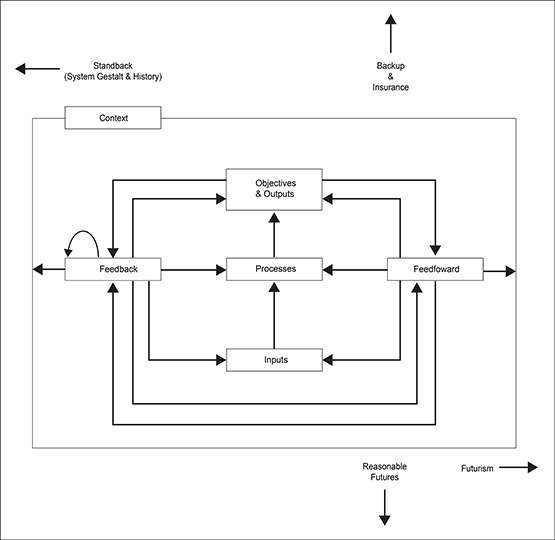
First, we want to affirm your understandings. For all meaningful human purposes, you are correct that the universe is so complex as to appear random and chaotic. Within that complexity, however, reasonable probabilities can be calculated. Therefore, we confirm that your idea to use a systems approach with natural resource management, and then to apply a systems approach to pretty much everything, was sound.

Your genes, your choices, and your luck determine your life span. Your luck ran out and your brain began to degenerate. You were correct that life without a functioning brain is a limited life, indeed. Your wish to The Universe was to contribute to science. You have done so and, as you surmised, can contribute no more. We await the donation of your body to science as your final act of service.

That said, on the rarest of occasions, for no reason we can or will convey to you, The Universe sometimes senses tiny, flaming bursts of on-going anguish. We noted this in one Anne Giles, your eldest daughter, resident of Blacksburg, Virginia, U.S.A. She was caught home alone, partnerless and childless, during a global lockdown, during a pandemic. There is a level of despair that does not cause death, but creates a living death. She was on the precipice.

Although we sensed your anguish and your despair, we also sensed that you sensed your daughter’s distress. Simply put, she may have needed you in order to make it through.

We are not sure how you did it, but, perhaps as an Eagle Scout, as a past-President of the Virginia Tech Corps of Cadets, as an Army Ranger, as a Wine Award-winning teacher and scholar, you felt called to service beyond your own needs and wishes. In the context of random chaos, we cannot know one way or the other if she would have been able to gather herself without you. Given the 300,000-year history of Homo sapiens, among the 100 billion people who have ever lived, the odds of her life making a difference are nearly zero.

The secret about despair, though, is that a person has to love her life to care enough to despair for it.

Do you or your daughter deserve notice from the universe? You neither deserve not do not deserve it. This letter may seem real but the data suggests this is a work of the imagination and not real at all. We cannot know for sure.

Nonetheless, in a rare commendation, The Universe thanks you for sacrificing your peace for hers. Her memories from the pandemic are anchored in what appeared to be her greeting and parting hugs every time she visited you in your assisted living facility, but were really her holding onto your thinning shoulders for dear life.

Of all the people left on the planet, you were the one she had known and loved – and been loved by – the longest. Instead of toppling end over end in our chaos, she held onto you.

In the midst of the direst time in the last 100 years of human history, you were unable to speak in ways that made sense. Yet, you still showed her and gave her what lasts and what matters, at least in the human universe: Deliberating choosing values. Deliberating living by them. Choosing what one says and does, even in the end. Love.

When you were a young man, The Universe heard your musings, while your young daughter also listened, about the measure of one’s love. “To love unto death?” you asked, looking up at our moon and stars.

Bob, mission accomplished. In the context of your sacrifice and love, you gave your eldest daughter time to find a new inner strength and presence that will carry her through to her end.

The Universe usually is neutral, neither caring nor not caring about the 100 billion humans who have lived on one of its planets. But, Bob, truly, really? With only strands left of who you could be, you chose love? We take note.

We see no more for you to do, Bob. You are welcome to stay or go, your choice. Yours has been a life nobly-lived.

With respect,

The Universe

Unintentionally Using the Language of Invalidation

When people speak vulnerably to others, the intention of this very normal, deeply human behavior is to receive acknowledgement of the truth and value of their reality. Specifically, they seek:

  1. to feel empathized with; to have feelings acknowledged even if those feelings are not as the listener wishes them to be;
  2. to feel understood; to have their thinking process validated, even if the listener disagrees with their conclusions;
  3. to connect.

For the speaker, expressing feelings and thoughts requires vulnerability. The speaker feels safe and trusting enough to open up to the listener.

Mutual, lateral, reciprocal negotiation

During an interaction which can be termed “invalidating,” one party expresses feelings and thoughts and the other party communicates, in some way, that those feelings and thoughts are wrong.

When invalidation is intentional, its purpose is to hurt and control.

The reality may be that the listener truly doesn’t appreciate the other person’s feelings or thoughts. The content of this post is based on the premise that the people involved do appreciate each other, have regard for each other, and do wish each other the best.

When invalidation is unintentional, a lot of factors are at play, within and between the speaker and the listener.

If the speaker vulnerably opens the door to their inner reality and the listener, metaphorically, enters the door – often with the best of intentions – to advise or correct, the speaker does not receive what was sought. Further, the speaker experiences this unexpected entry as violating and painful. The speaker’s sense of safety, trust, selfhood, and connection with the listener is harmed.

For an example of how invalidation works unintentionally, we’ll use versions of an invalidating statement in frequent use in the U.S. and in Chinese T.V. shows.

U.S. versions: “You think too much” and “You’re overthinking this.”

Chinese T.V. versions: “不要想太多/Bùyào xiǎng tài duō” and “你想多了/Nǐ xiǎng duōle.”

You-statements

To start, statements using or implying “you” can set up an unconscious hierarchical relationship between the speaker and the listener. By using “you,” a person implies they know more than the other party about the situation and, in the case of “You think too much,” about the very inner workings of the other person’s brain!

Although the intention may be to help, use of “you,” and its uninvited assumption of authority and expertise in the interaction does not achieve the communication’s desired end in mind: empathy, understanding, and connection.

Why invalidate?

Why do people make invalidating statements? In this case, why would someone say, “You’re overthinking this?”

When a listener has good intentions, inwardly, without awareness, a narrative such as this may be occurring:

“I don’t like what you are feeling and thinking. I don’t like what I am feeling and thinking as a result of hearing what you are feeling and thinking. I think I should help you feel better and that would certainly make me feel better. I don’t know what to say or how to do that for either of us. If I try to fix and change your feelings and thoughts with advice and correction, that will make this all go away.”

The listener says to the speaker, “You think too much.”

The unspoken, implied meanings include, “If you didn’t think the way you’re thinking, you wouldn’t have these problems. And, actually, it’s not the situation that’s the real problem. It’s your feelings and thoughts that are the problem. I’m going to fix them.”

The listener may come off as insensitive, arrogant, condescending, or patronizing. They may simply be feeling uncertain, weary, or distressed.

Forms of unintentional invalidation

In addition to problem-solving, fixing, advising, and correcting, invalidation can show up as instructing, judging, disapproving, minimizing (“It could be worse!”), ignoring, withdrawing, ghosting, or indicating in some way that the other person’s reality isn’t real or isn’t valued. (When people engage in self-judgment or other self-dismissive or self-discounting methods, they can be engaging in self-invalidation!)

There are two other factors.

Loneliness

When two people are connected, and one person expresses distress, there’s an inherent disconnection that occurs. Feeling distress tends to dominate one individual’s consciousness, thus distancing them from the other person. The distance can activate the longing for attachment. It feels lonely! One party may try to “fix” the other party’s feelings and thoughts to regain connection.

Beliefs about responsibility for emotions

American and Chinese cultures tend to teach their children that people cause feelings. Our languages convey this implication:

  • “You made me feel _____.”
  • “你我感觉_____. /Nǐ ràng wǒ gǎnjué _____.”

In reality, feelings occur for complex reasons. However, the simplistic “you made me” theorem sets up a dynamic of control and responsibility that leads to unintentional invalidation.

  • “You made me feel this. I don’t like it! If I can control you, I can control my feelings.”
  • “I made you feel that. I am responsible and need to atone by making you feel ‘better’ feelings.”

Goodness!

What’s to be done to decrease unintentional invalidation?

As a speaker and a listener:

  1. Become aware of one’s use of “you-statements.” (A lot of you-statements follow!)
  2. Become aware of your own level of distress, try to manage it on your own the best you can, ask for help if you need it, and try to reestablish connection as soon as you can.
  3. Become aware of your beliefs about feelings and causality.
  4. Keep things mutual, lateral, and reciprocal rather than allowing a one-up vs. one-down positioning to develop.

As a speaker:

  1. Let the listener know what you need before you begin.
  2. To honor the listener’s time, energy, and good intentions, try to be as succinct as possible.

As a listener:

  1. Stay aware of the intentions of most communication – to receive empathy, understanding, and connection – and try to provide these from the outset.
  2. Become aware of what you are feeling during an interaction and handle as much of it within as possible.
  3. Communicate with the other person if you are having trouble feeling empathic, understanding the person’s thinking, or feeling connected.

Instead of saying, “You think too much,” an alternative might be:

“Wow, I hear your feelings! How you’re thinking makes sense to me.  What are you thinking are your next steps? Would you like suggestions or help from me? If so, what kind?”

Above all, for both speaker and listener, continuously negotiating terms of engagement before, during, and after interactions can be extremely helpful.

Humans are complex, interactions are complex, and we break each other’s hearts over and over again. As Blacksburg, Virginia pastor Woody Leach is reported to have said at a wedding, “It’s not whether or not we break each other’s hearts that determines the quality of a relationship. It’s how we handle the breaking.”

. . . . .

I’ve written a clinical description of invalidation here. I’ve written about negotiation within effective relationships here.

Potentially helpful readings from other sources:

Image: iStock

This content is for informational purposes only and is not a substitute for medical or professional advice. Consult a qualified health care professional for personalized medical and professional advice.